

The Saga of Christmas Vacation 2021:
The Vollmars have not been home for Christmas since 2016. When we were planning our trip for Christmas 2021, we wanted to keep the “no presents, let’s just travel” tradition going. The family sought out a place that we could travel to within the bounds of covid-19 limitations. South America, specifically Peru, seemed like a good option with only a vaccination required for entry and a negative test required for returning to the United States. Don Vollmar made the next call‒ not only would we be visiting Machu Picchu, but we would be completing a 4-day hike and backpacking trip to get there.
In true 2020/2021 chaotic fashion, my brother ended up shattering his ankle 2 months before the trip and was not able to hike. On top of that, he also tested positive for covid-19 a week before departure (dark times indeed). Mom, being the kind lady she is, stayed home with him for Christmas. It was now a father-daughter venture.
Cusco:
We arrived in Cusco, Peru 2 days before our hike began, giving us plenty of time to adjust to the 11,200 feet of altitude. For reference, that is 2,000 feet higher than the ski resort towns of Dillon, Colorado. Peru is known for some of the best food in the world, so we tromped around in our hiking boots to the finest restaurants Cusco had to offer and dined on ceviche and guinea pig, a Peruvian delicacy. We also ended our hike with 2 days left in Cusco, where we enjoyed New Years Fireworks as they lit the horizon of the mountainous city. Having time to prepare before and relax after was crucial.
The Hike:
Day 1:
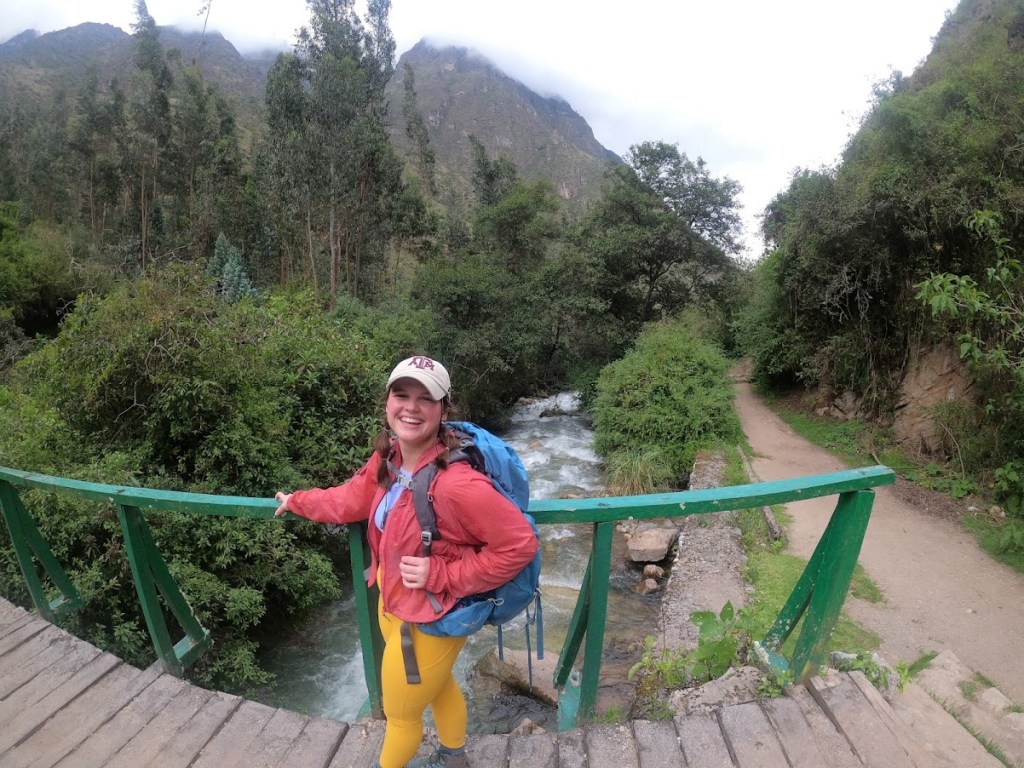
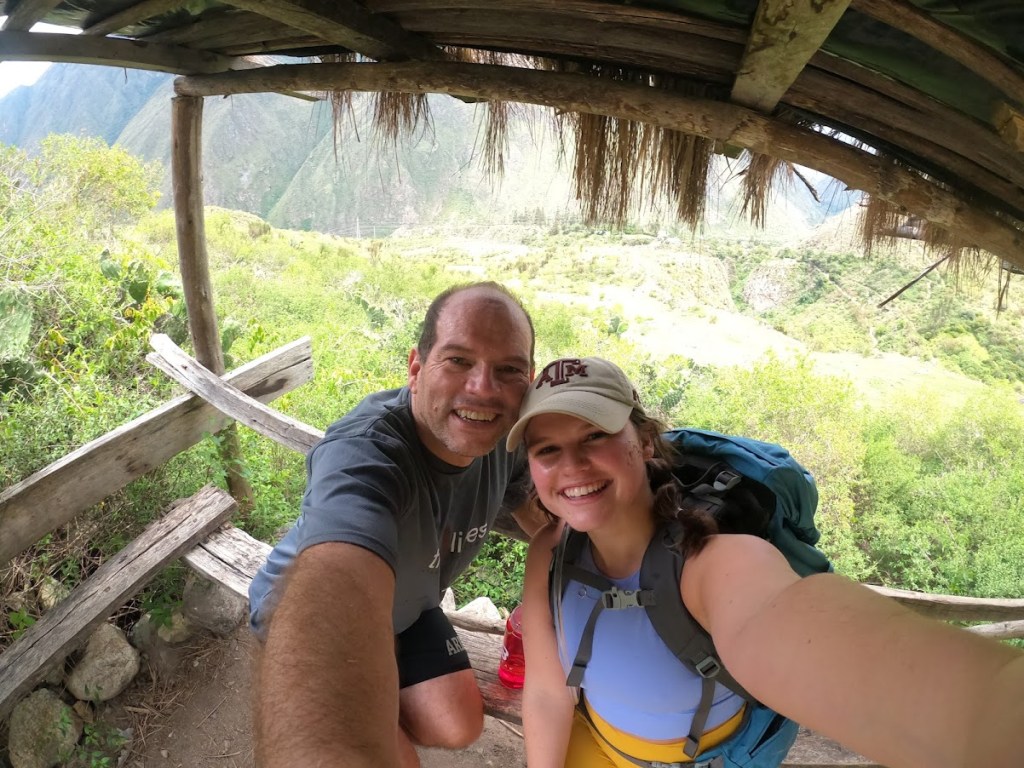
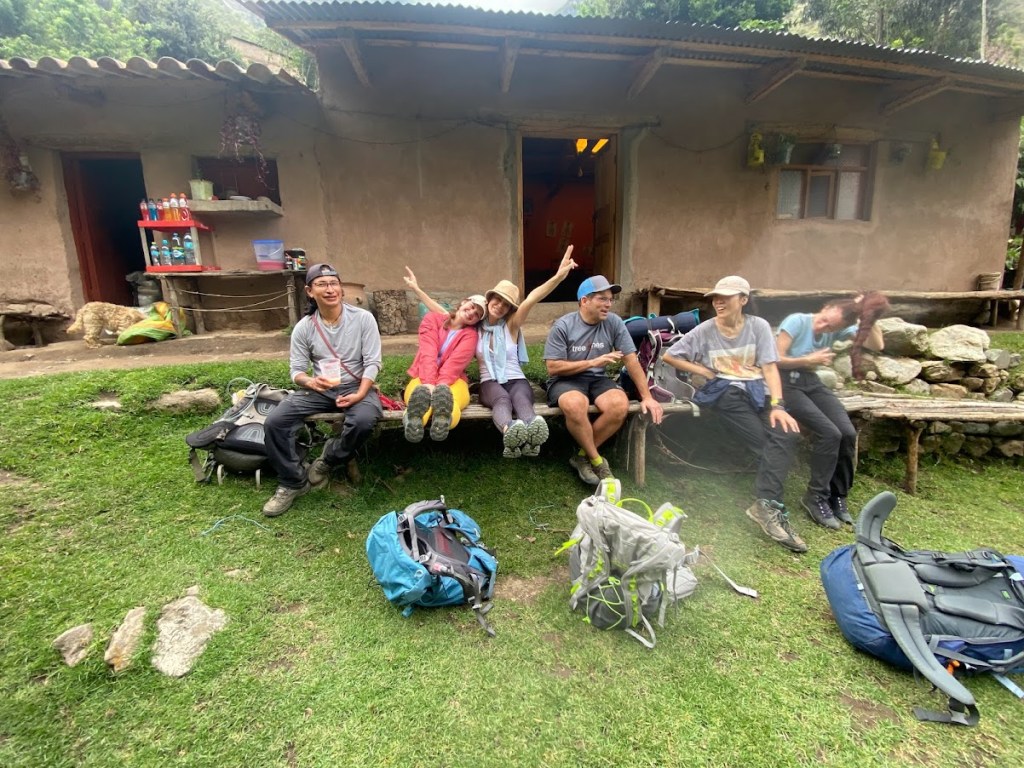
On the day after Christmas, we departed Cusco at a crisp 5 am and traveled to the base of the Inca Trail with our guide and 4 other strangers, who would soon become close friends. We linked up with our porters who would carry our tents and food throughout the 4 days. I was at first very shocked by the idea of someone else having to carry my own supplies, but I soon came to find out that porters are essential to the tourism industry in Peru. Inca Trail hikers provide a significant source of income and employment for many local communities in Peru. Hiring local porters creates job opportunities for individuals who may have limited alternatives for earning a livelihood. Furthermore, hiking with porters heavily contributed to the cultural immersion of the trip. We were able to learn from their deep knowledge and experience of the region’s history, traditions, and customs. I used the opportunity to brush up on my Spanish and learn about the ancient Incan language of Quechua which is still spoken amongst the locals today. Throughout our chats, I did have to embarrassingly clarify that my dad was, in fact, my dad and not my “sugar daddy”. It didn’t seem to be clear to the Porters why an older gentleman would be traveling with the likes of me. We spent day one hiking an easy 7 miles through fortresses and ruins on the very same trails ancient Incan messengers used to carry correspondence from the secret city of Machu Picchu to Cusco. We rounded out the day at Ayapata campsite with a lovely meal cooked by our porters and fun get-to-know-you conversations before heading to our tents under the stars.
Day 2:
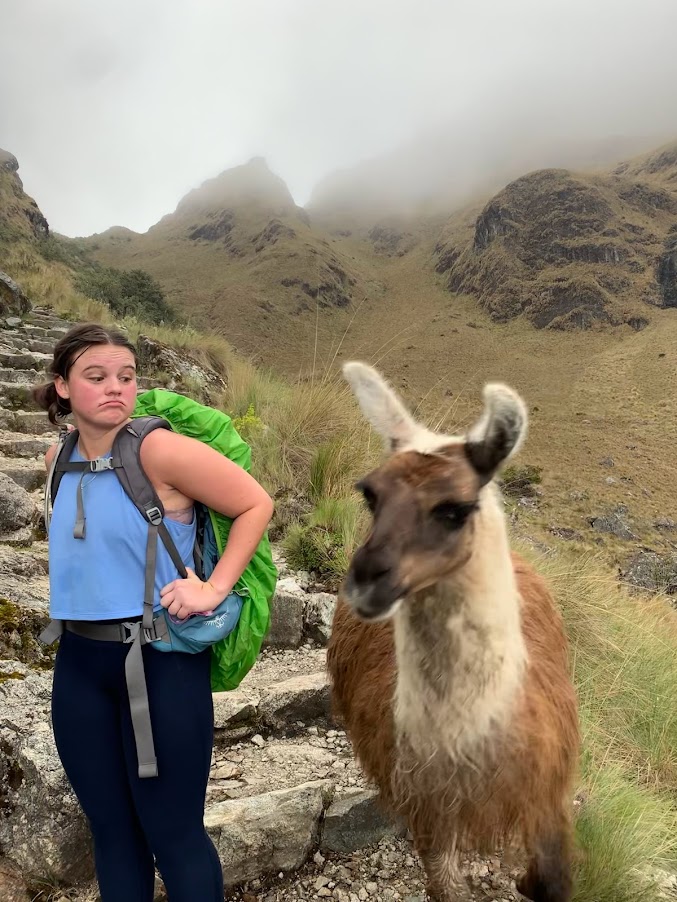
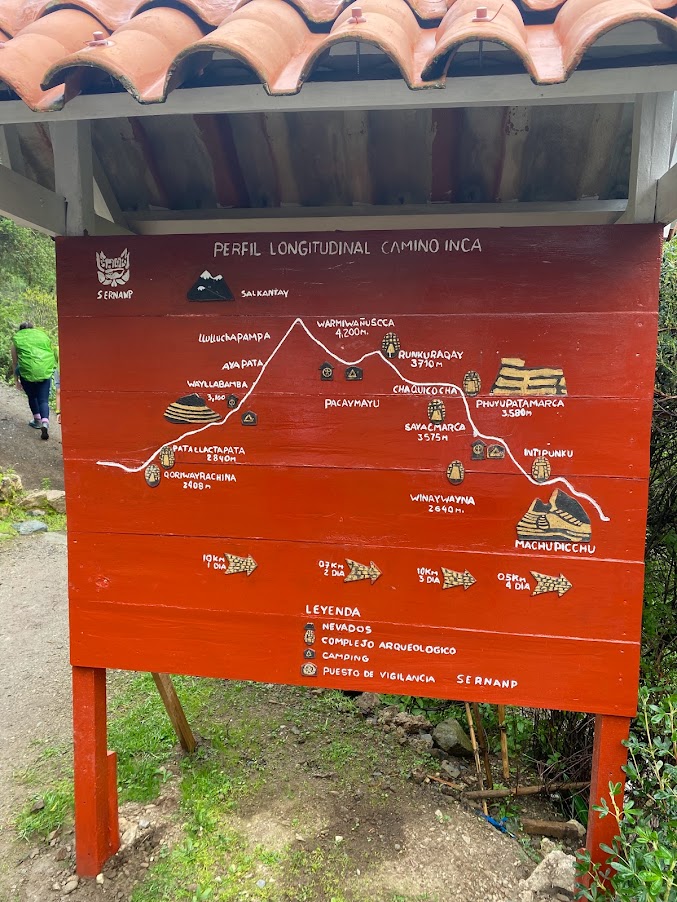
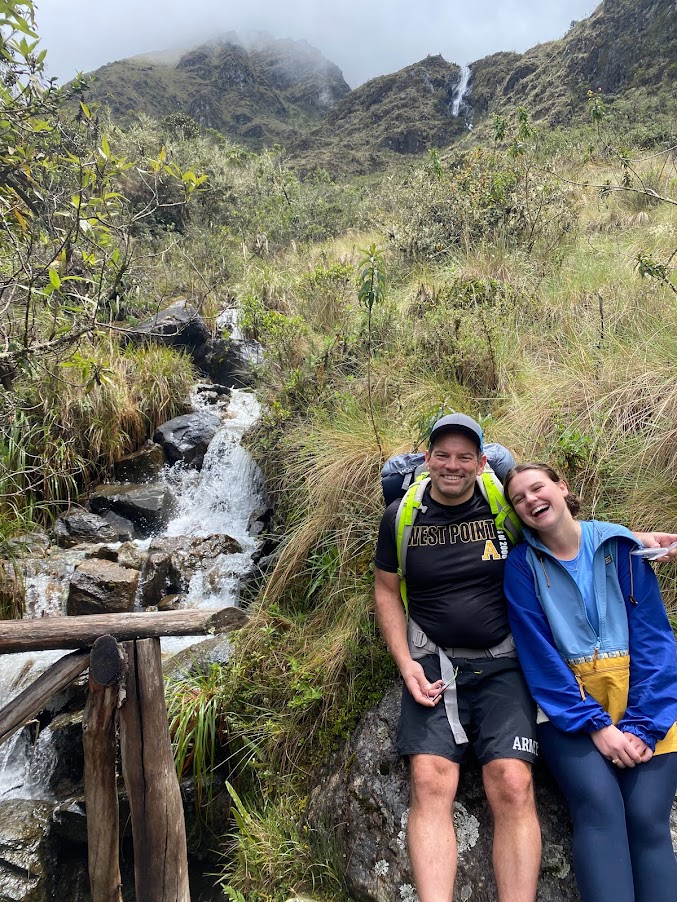
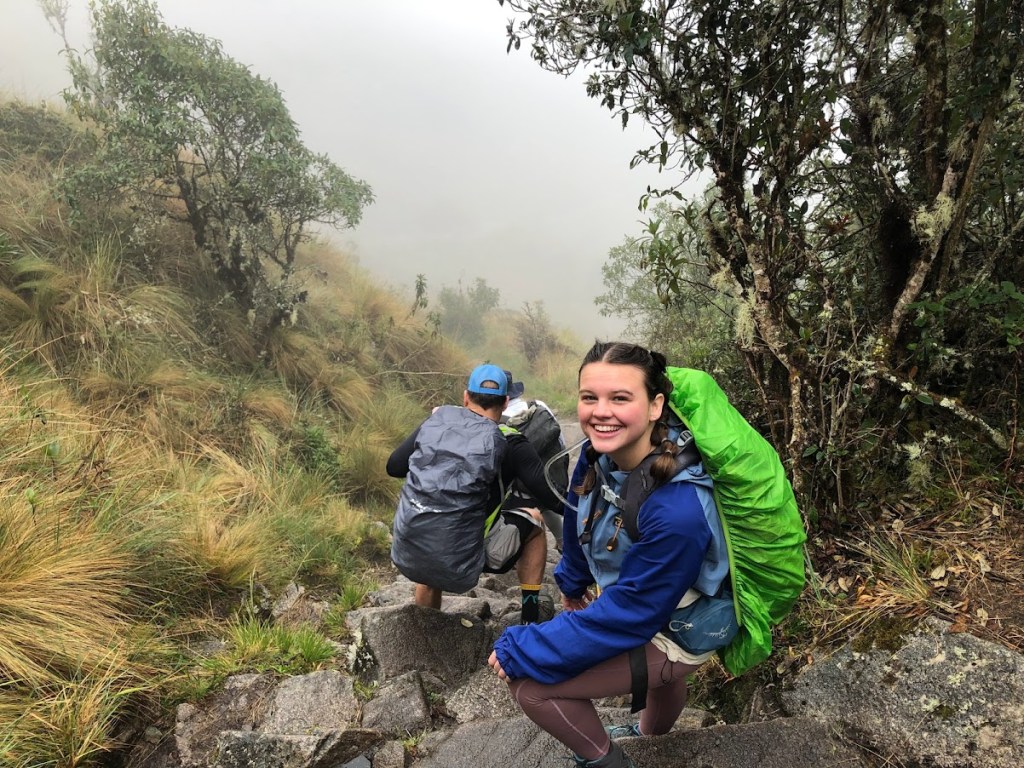
Day 1 was a breeze. Day 2 was a bitch. We woke up at 5:30, ate a quick breakfast washed down with some coca tea, and set off for 10 miles of hiking. The distance was not the kicker, the steep ascent to Dead Women’s Pass (Abra de Warrmihuañusca) was the challenge. We hiked through 4,000 feet of elevation change to the highest point of the trek at 13,779 feet (higher than the summit of any ski peak in the US). Dad made it his mission to reach the pass first, and he succeeded. We then began our descent into our lunch spot at Pacaymayu, passing through beautiful vegetation and hearing history lessons from our guide, Vincent. What happened after lunch? Another 2 hours of steep incline before our final campsite. This time we passed an alpaca as we huffed and puffed along stone switchbacks and scrambled up rocks half my height. We chewed coca leaves to cope with the challenge of altitude, reducing our hunger and fatigue. This was the most rewarding and adventurous day. The trek instilled a deep sense of respect and admiration for our porters and the history of the Incan people, who have hiked this trail countless times. We feasted on a delicious traditional meal of Rocoto Relleno: A spicy dish made with rocoto peppers stuffed with a mixture of ground meat, onions, garlic, nuts, and cheese.
Day 3:
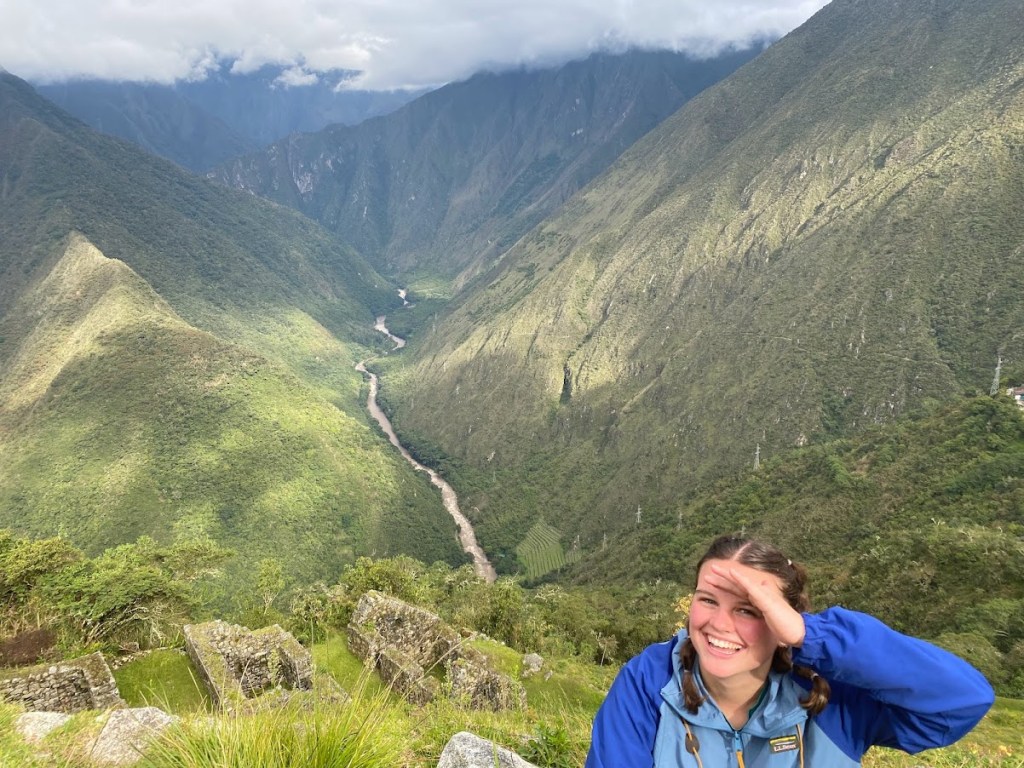
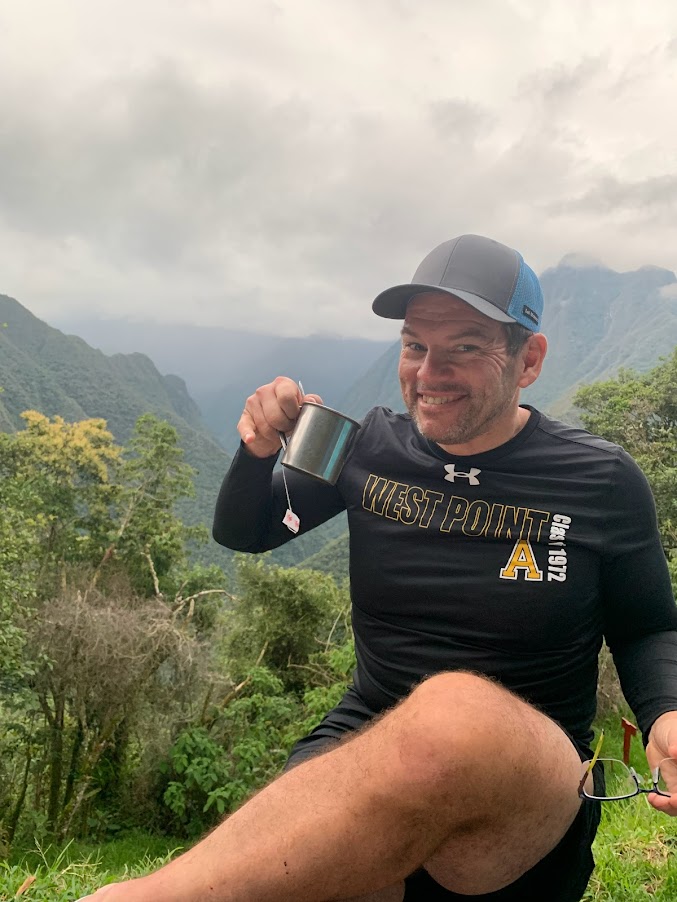
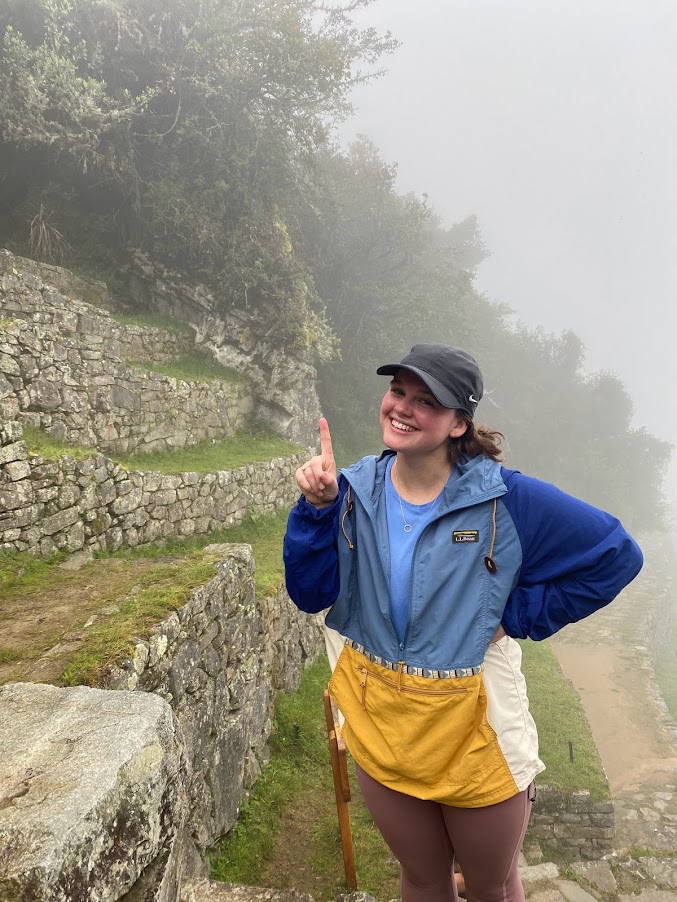
Another glorious early morning, a 6 am wake up with breakfast of fruit and more coca tea. This was a beautiful day. The views of the mountains and canyons throughout the trek were breathtaking. We stopped midday at the agricultural Incan site of Intipata where we learned the ingenuity of the ancient Incan culture and continued our hike through the clouded forest. What I loved best about this day was the constant change of scenery. I had yet to do a hike where I experienced such drastic elevation change and differentiated terrain. We hiked through sunshine, mist, and straight-up downpour until we reached our campsite of Wiñay Wayna where we treated ourselves to even more coca tea and soaked up the gorgeous, fog-filled views. This was our final night camping and we laughed over recent memories of the trip and played 2 truths and a lie, trying to see how well 6 strangers can get to know each other over the course of 3 days. Tomorrow we would begin the hike to Inti Punku or Sun Gate, where we would be able to see our first look at Machu Picchu if the clouds allowed.
Day 4:
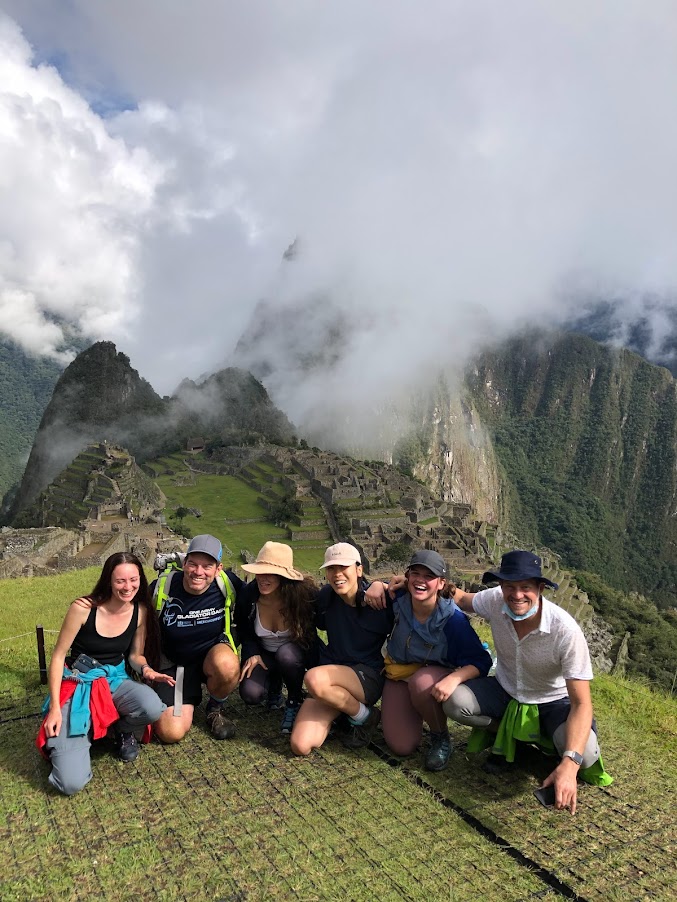
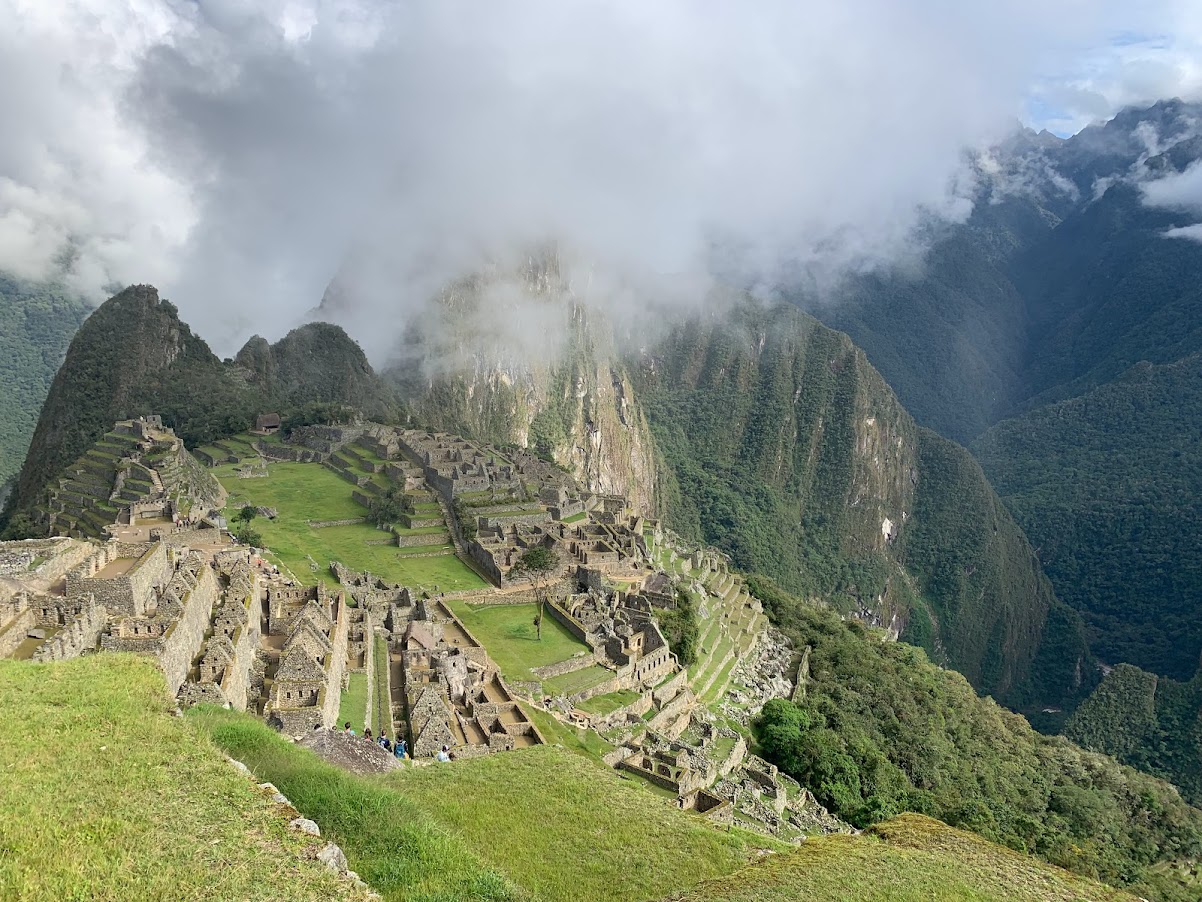
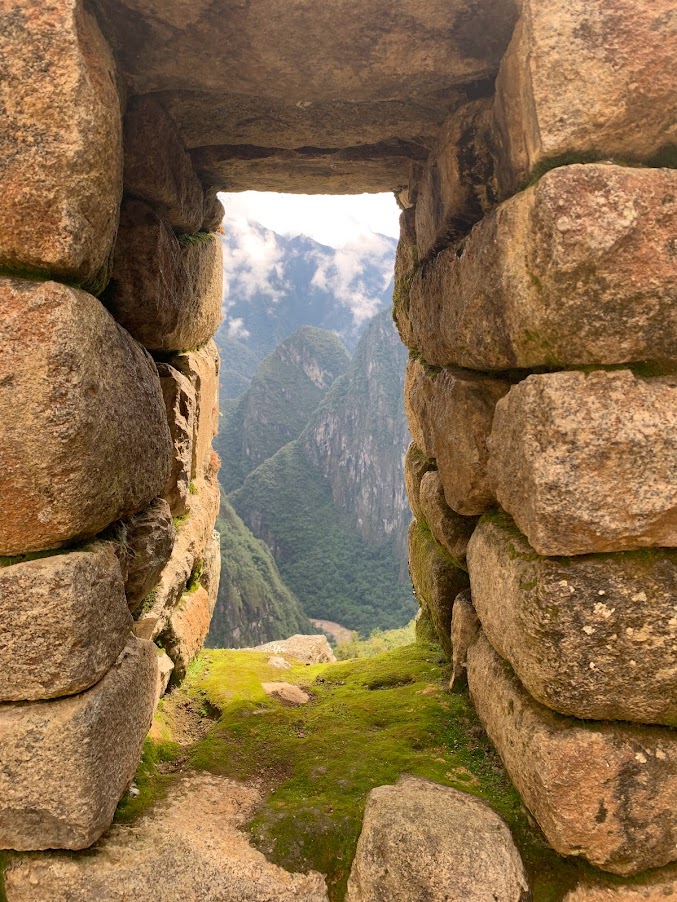
3:00 am wake up with a quick granola bar breakfast and, you guessed it, coca tea to get first in line to cross the final checkpoint for the Sun Gate. There is nothing two Enneagram-8 Vollmars love more than a little competition. Tourism in Peru had been down since that casual global pandemic took over our world, which Vincent had told us made the trail about 50% less crowded. This not only enhanced the entire experience, but also made it easier for my dad and I to be first to the Sun Gate (technically I was first by 3 minutes). To our disappointment, it was a very cloudy morning and we were not able to see the sun rise over the Lost City of the Incas. We waited for the rest of our group to arrive and then we started our walk to the ancient city. At the last minute, the sun came out and illuminated Machu Picchu in all of its 15th-century glory. We arrived before anyone came in from the train station and our Guide took us on a 2-hour (almost private) tour, walking us through the city step by step and explaining the history of one of the largest pre-Columbian civilizations in the Americas. The site is breathtaking not only because it is perched on a ridge, surrounded by steep slopes and overlooking the Urubamba River valley, but more so because of the enigmatic nature Machu Picchu captivates. Machu Picchu provides a window into the Inca’s sophisticated understanding of astronomy and their reverence for nature and the spiritual world while showcasing something beautiful that survived the tragedy of the Spanish Inquisition. The city is a story of one of the best-kept secrets nestled high in the Andes mountains that serves as a testament to the ingenuity and spirituality of the ancient Incan civilization. I have never seen anything like it.
Recap:
A 4-day backpacking trip with no electricity, limited showers, and intense elevation gain is not everyone’s cup of tea, but I can tell you with full certainty that it is worth every minute. If you find yourself in Peru, consider taking this hike instead of the train to Aguas Calientes and a bus up to Machu Picchu. The camaraderie built with your group and the rich history learned from your guide is reason enough, but the stunning landscape and walking along a piece of ancient history puts this experience far above any other. 10/10 recommend doing it with your dad too.

 Expedition 9 to 5
Leave a reply to mabes Cancel reply