

- Skiing:
In last month’s post, I detailed how I prepared to pack up my ski gear for my trip to Japan. As an update, this was more convenient than I could have expected. Dropping off my bag at Yamato to be sent to my hostel and then having it shipped and stored at the airport was nothing short of a delight. I wasn’t worried in the slightest, as the Japanese are extremely efficient, and my bag made it everywhere on time and in pristine condition. 10/10.
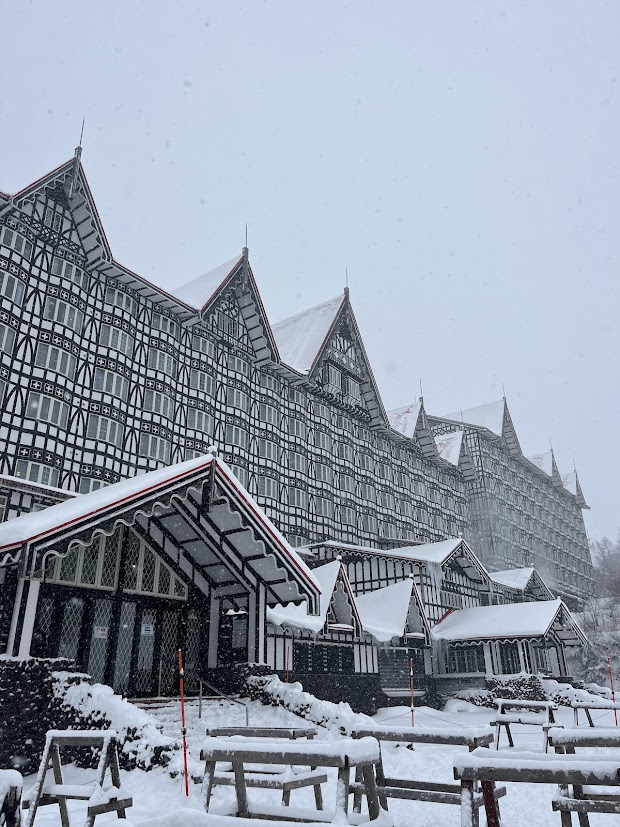
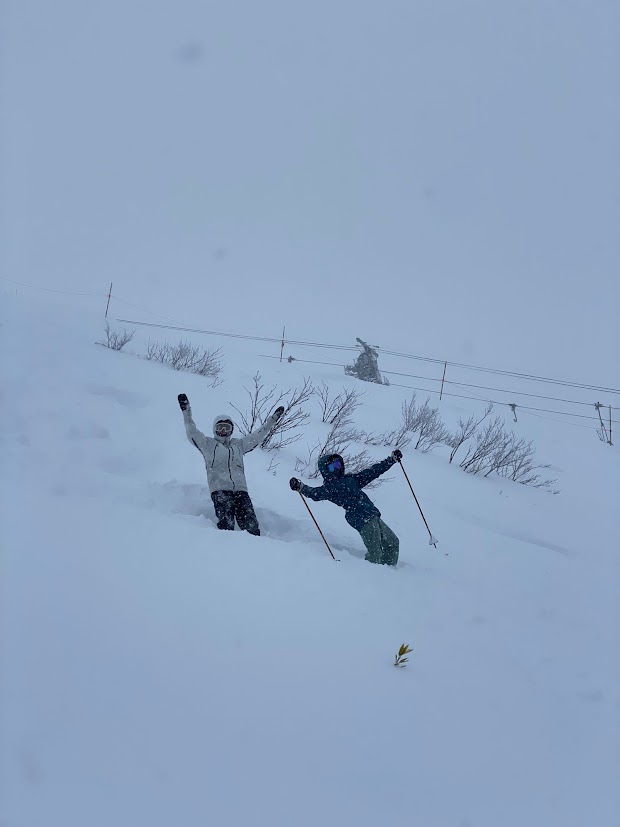
Outside of the joy I derive from the bag shipment services, the skiing was otherworldly. I grew up skiing Colorado. I put my first pair of skis on at Eldora, and then, by the time I graduated college, I had done an entire season in Summit County. After skiing 15 different mountains, this is the first time I have experienced snow like this. It dumped for 4 days straight, resulting in 3 and a half feet of soft, light, glorious powder. These 5 days were the first tracks of my season, and to say it was challenging is an understatement. But I have never had a better, more invigorating five days of skiing. Despite the sore legs, many bruises, and relentless pursuit of pulling my skies out of the snow, I have never smiled more.
Conditions aside, I would be remiss if I did not mention the ski culture of Japan. Pull up to any of the resorts in Hakuba Valley, and you feel like you’re stepping back in time. Many lifts are old-school 2-seaters. No fancy 6-person, heated, covered bubbles. Skiing in Japan doesn’t come at the steep price of $250 a day and your firstborn child. You can hit the resort for as little as $35 a day. That price is an urban legend of a time when Vail or Alterra didn’t own 90% of the ski resorts in the US. Skiing felt simple and exciting again. I caught the opening day at Cortina and went down runs that no one had touched. I went up chair lifts where I couldn’t see anyone in front or behind me. I flew through everglades that were silent. Japan is intoxicating for a skier, and as soon as I left, I knew I would be back.
If you have the chance, stay at The Bohemians Shelter. I met incredible people from all over the world with the shared intrigue and obsession with skiing in Japan. The community here was such a blast and you will always have a fun group to ride with. Gaspard creates a lovely family atmosphere that will make you want to stay all season.


- Cleanliness
The cleanliness of Japan hit me as I departed a club at 4 AM. On our walk back home, we made a pit stop to use the restroom at a public park. Not only was the restroom pristine but I was not petrified to utilize a public bathroom in the middle of the night. I would not dream of stepping foot into a public park bathroom in the wee hours of the morning in Austin, Texas. Or anywhere in the US, for that matter.
There is also a sense of community reliance in Japan. Residents are expected to contribute to the overall cleanliness of their neighborhoods. Japan’s urban planning often prioritizes aesthetics, leading to fewer public trash cans, maintaining a neat appearance. Trash is viewed as the maker’s responsibility. There was no littering in sight.
In addition, there are bidet toilets everywhere. In public restrooms, in the train station, on the top of the mountain, in the hotels, in the Air BnBs (don’t be scared TP is also provided).
- The Food
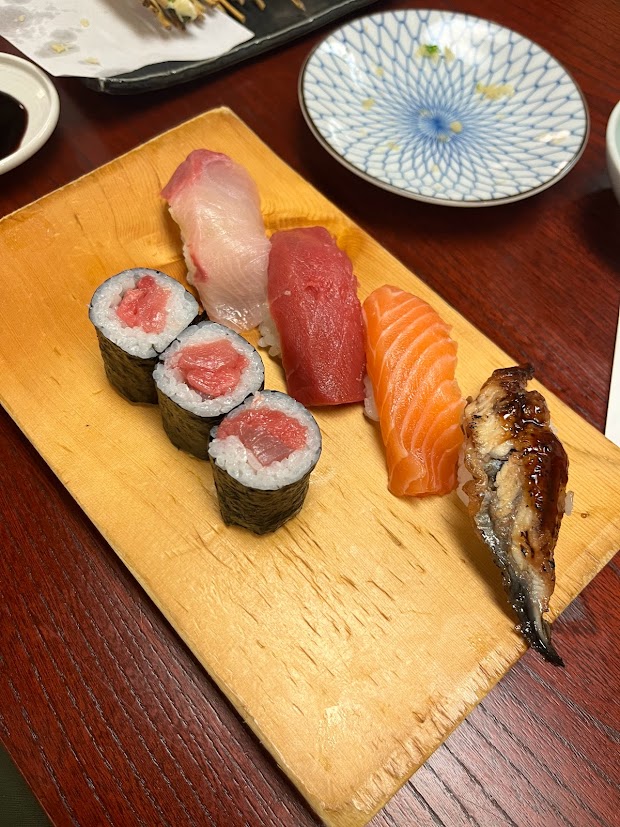
The food. My God. Not to be dramatic, but this was the best 3 weeks of eating I have ever endured. Call me casual, but I especially enjoyed walking into a convenience store and pulling anything off the shelf, knowing it would be quality and delicious food. The onigiri of 7/11 is the best mountain snack for skiing (it completely overshadows my usual PB&J). I did dine at more elevated establishments as well. A highlight being Kikyo Sushi in Kyoto. This gem is a family-owned restaurant with over 60 years of history, showcasing traditional sushi and tempura. Between elevated restaurants and convenience store food, I consumed copious amounts of Ramen. You can walk down any street in Japan and find a plethora of delicious ramen that will beat out the Austin favorite, Tatsuya, in price (I’m talking $7-$10 a bowl), flavor, speed, and experience.
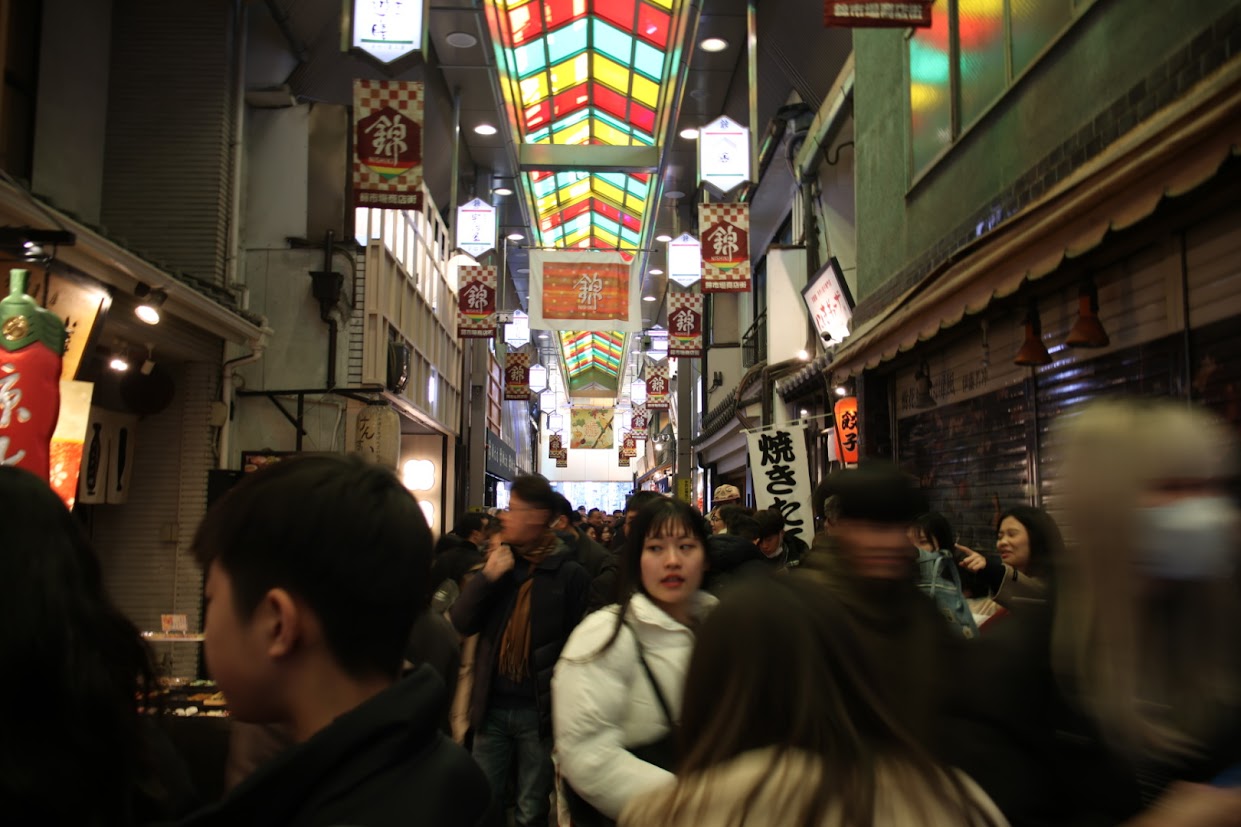
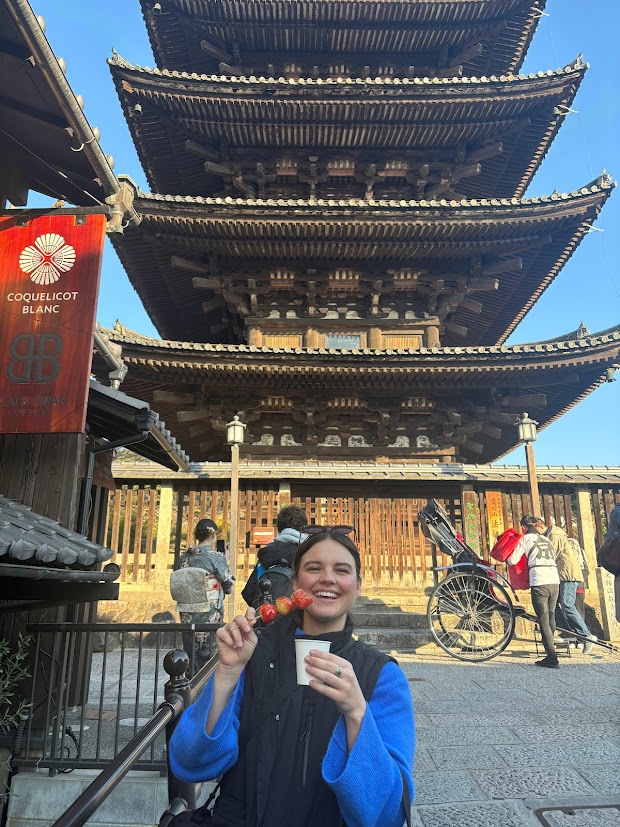
That is just hitting on restaurants. We partook in many street food adventures, trying fresh bluefin tuna from Tsukiji fish market in Tokyo, Takoyaki from the Nishiki Market in Kyoto, and did a full food tour in Osaka highlighting Kushikatsu, Kitsune Udon, Nikudofu, Yakitori, Tebasaki, Tonpeiyaki, Ehire, Somen, Nagaimo, and Gyoza. We also enjoyed the fan favorites of mochi, candied strawberries, and, of course, all the matcha you can eat. I knew I would try lots of sake, cold and hot, but I was utterly taken aback by the plum wine. Also known as “umeshu,” plum wine is a traditional Japanese liqueur made by steeping green Japanese plums (not to be mistaken for an olive when purchased). This is the handshake of adult beverages- a pleasant combo of sweetness, fruitiness, and no taste of the 15% alcohol. The honorable mention of Japanese snacks would be all the flavored Kit Kats. Any flavor of Kit Kat you can dream of exists in Japan. My personal favorite is the chocolate banana.

- Culture
Upon arriving in Japan, I wasn’t entirely sure what to expect. Having never traveled to Asia and with few friends who had experienced it, I was blown away from start to finish.
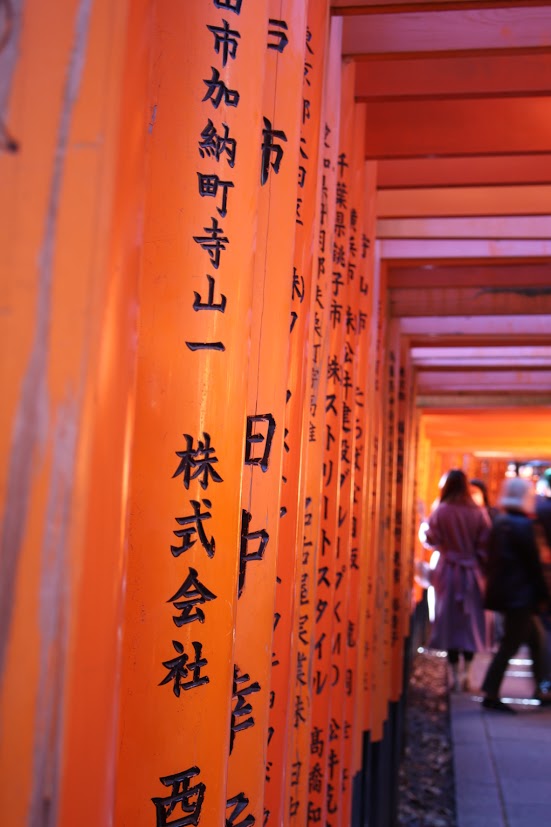
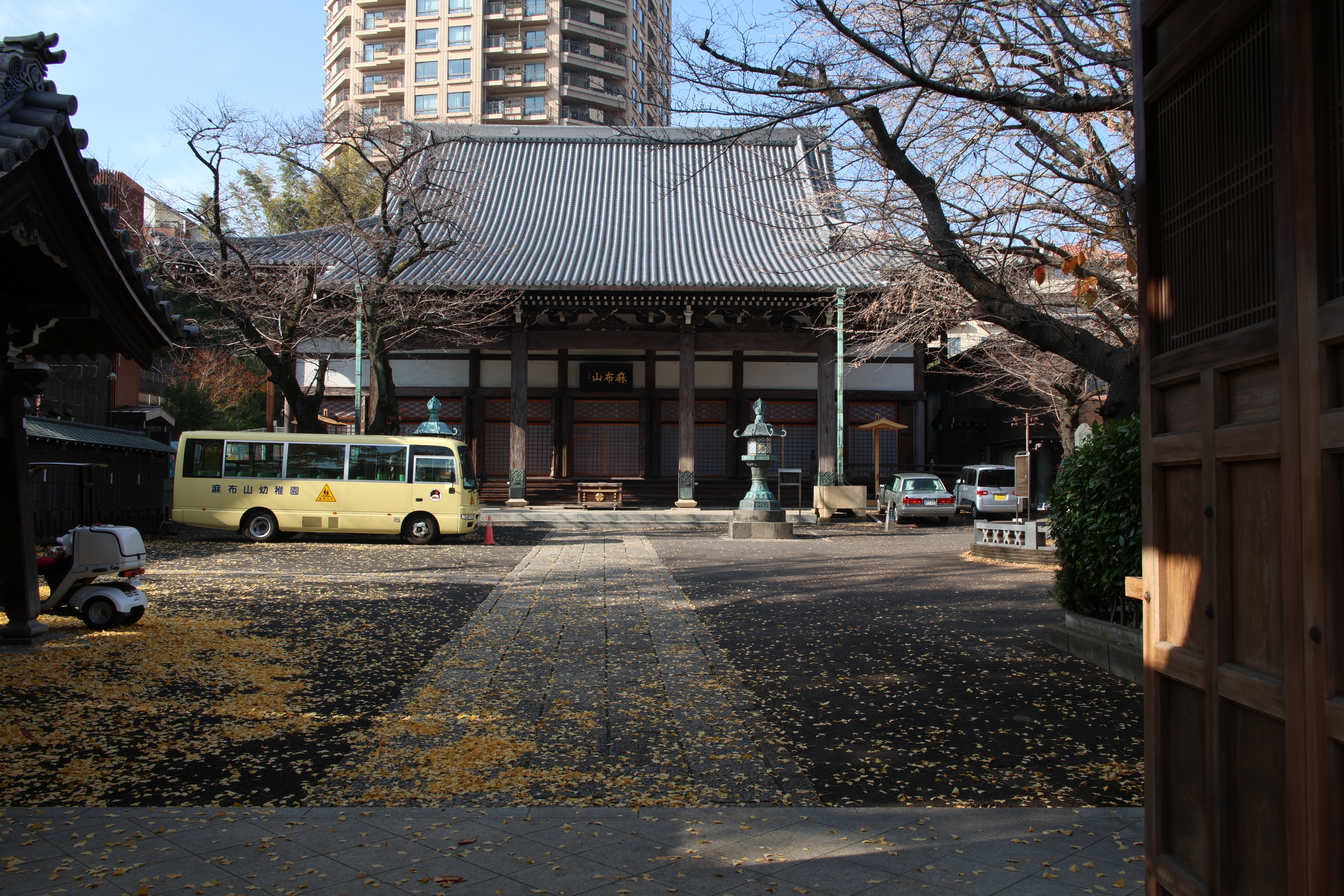
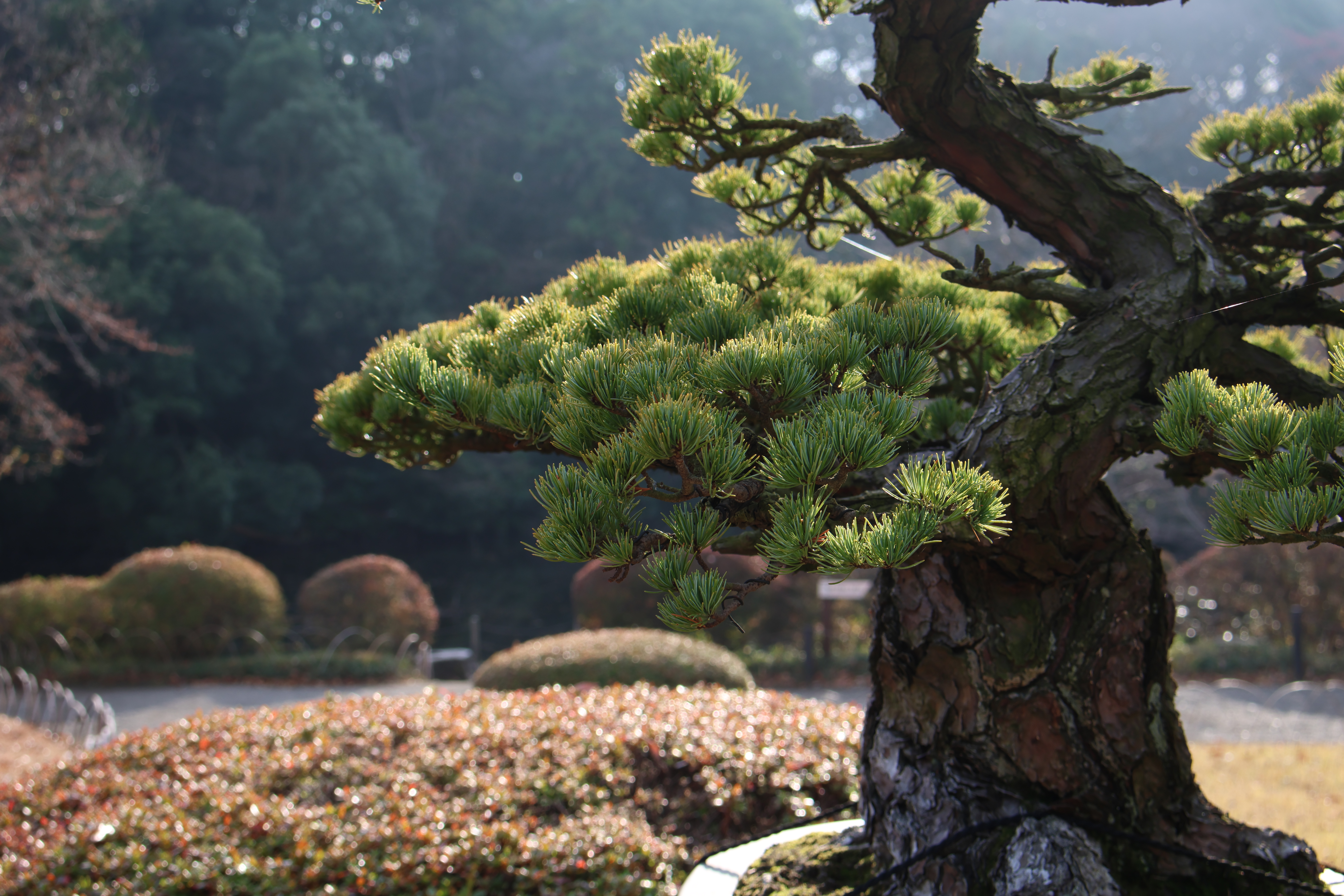
A multitude of elements make up the experience that is Japanese culture. Walking around Japan’s major cities or smaller towns, you will likely come across plenty of Buddhist temples and Shinto shrines. The architecture is entirely next-level. Being able to appreciate traditional elements like torii gates, pagodas, and Japanese gardens contributes to the aesthetic appeal, but what really stood out to me was the emphasis on harmonious existence between Buddhism and Shinto. Individuals seamlessly integrate elements of both spiritualities into their belief systems. I had never felt anything like the syncretic way of life that the Japanese practice.
In contrast to beautiful Japanese traditions, the culture is deeply rooted in technology and innovation. I know many Americans have a preconceived notion of fear of traveling to Asian countries due to the structure and difference in language. Still, I would be hard-pressed to find a more efficient and seamless country to visit. The Shinkansen is a prime example showcasing Japan’s travel expertise and commitment to high-quality craftsmanship. The speed and convenience overshadow any travel day at an airport. If you compare the price of a train ticket to a plane ticket, it’s a win on both ends.
Japanese culture places a strong emphasis on harmony, respect, and social cohesion. The concept of “wa” (和), which translates to harmony or balance, is deeply ingrained in Japanese civilization. As a collectivist society, the community fosters a sense of consideration and responsibility for one another. Public transportation is more than safe for kids to take on their own. In fact, their culture is made to support the independence and care of children, whether they are yours or not. Every local I met was kind about my poor ability to speak Japanese, helping me navigate the subway when I bought the wrong ticket or decipher the ordering machine at the front of the ramen restaurant. As a visitor, I felt welcomed and respected, instilling a motivation to adhere to these standards.
- Currency Exchange
The dollar is currently riding high compared to the Yen. This made food and accommodation extremely affordable. Now would be a great time to book your trip to Japan.

- Niche experiences
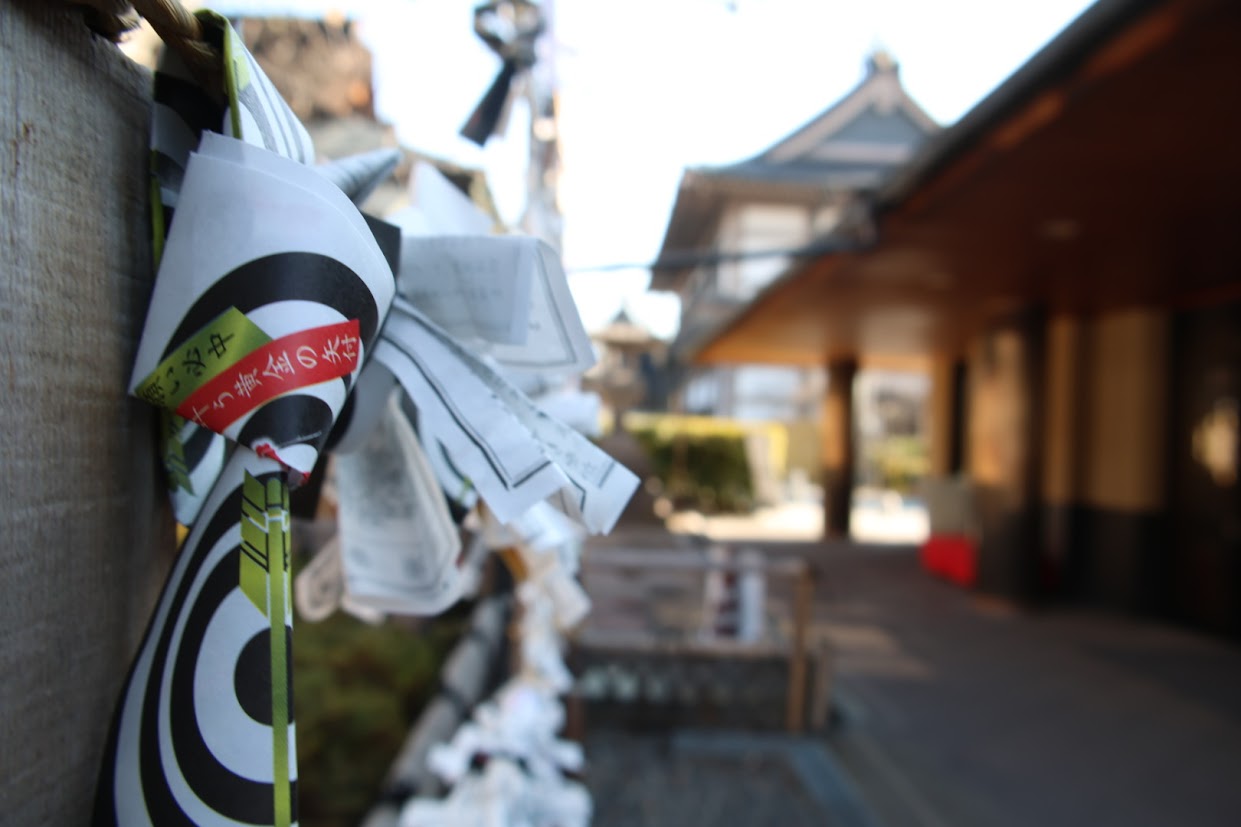
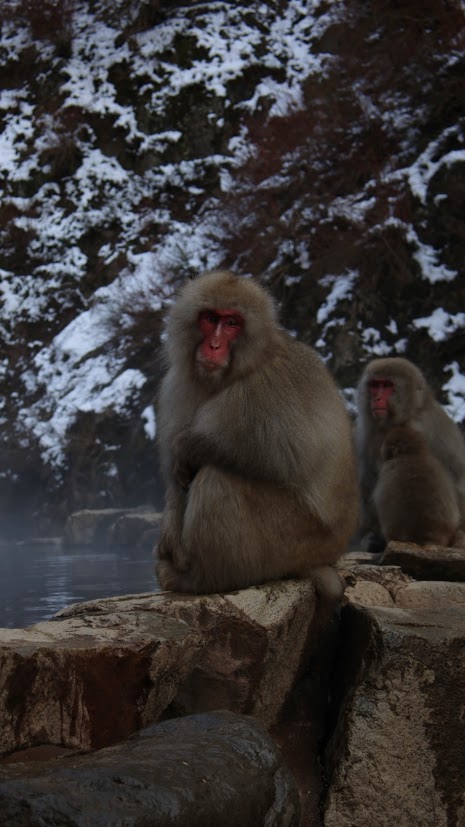
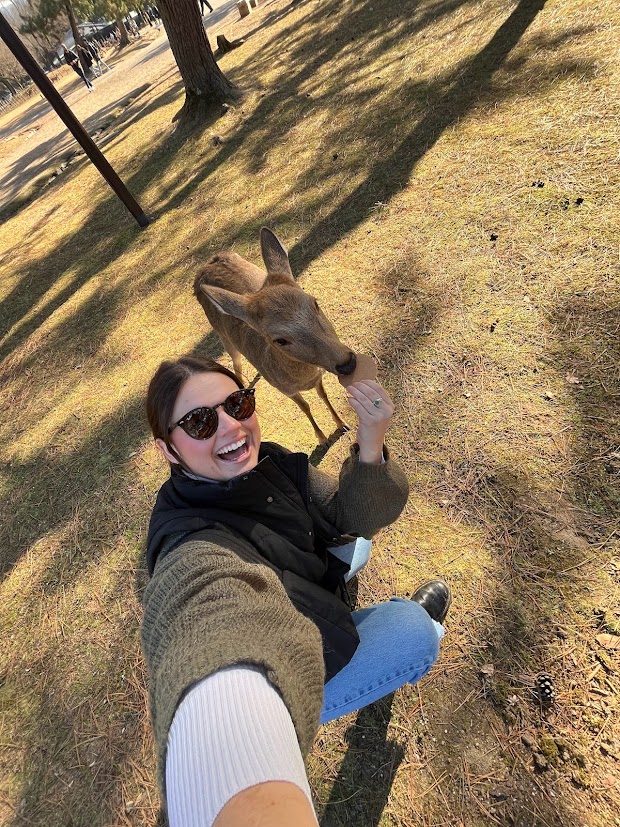
My favorite thing about visiting Japan was that every experience was a “first.” There are so many exciting things to do that are unequivocally unique. In Kyoto, you can see a multitude of shrines and temples and get your fortune read. Before you leave, tie up your bad fortunes, omikuji, to ward off the negative energy associated with the written fortune. Next, hop on a shinkansen, get to Nara from Kyoto in under 40 minutes, and feed the deer in the Nara deer park. On your way back to the train station, get a hot drink from the vending machine or even a hot soup if you’re in the mood for corn chowder. You can then take one of the trains to Tokyo that depart every 30 minutes and mosey around the largest city in the world. Experience the thrift shopping, where they have a multitude of American college sweatshirts priced higher than what they were initially sold for on campus! For an exceptional activity, ski in the iconic champagne powder or hike to the monkey park in Nagano, where you can watch red-faced monkeys bathe in the natural onsens. Cap off your adventure in a capsule hotel where you can sleep in what feels like a spaceship on a mattress that will measure your sleeping habits.
At the risk of sounding corny, this was a trip of a lifetime. Get to Japan as soon as possible and spend as much time there as you can.
Check out my full itinerary below:

 Expedition 9 to 5
Leave a comment